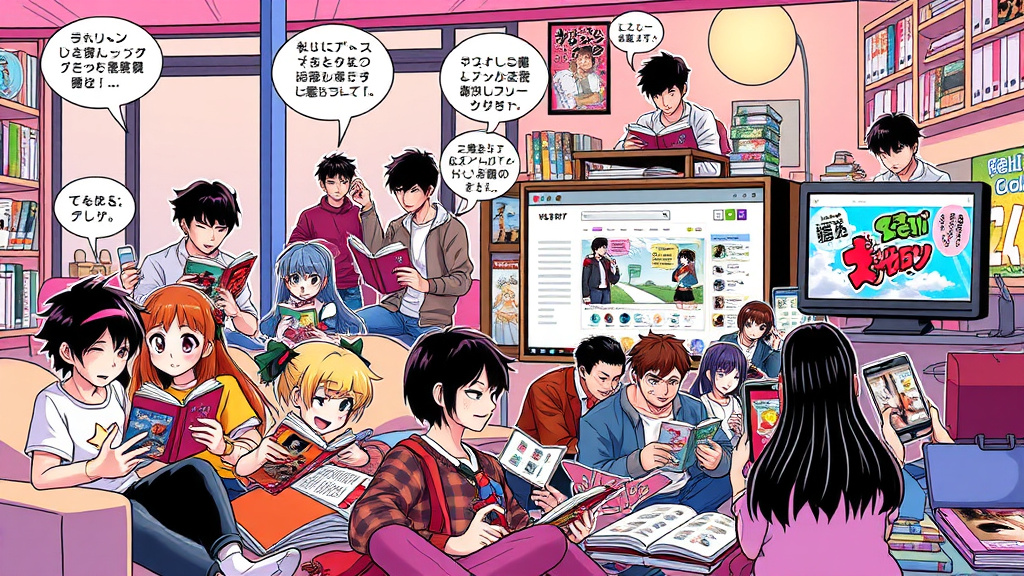
manga series books have become an integral part of global pop culture, captivating audiences with their unique storytelling, artistic style, and diverse genres. Incorporating elements of traditional Japanese art with modern narratives, manga series books offer a compelling reading experience that transcends borders and generations. As the fascination continues to grow worldwide, it’s worth exploring what makes these series so enduring and influential.
The Enduring Appeal of Manga Series: A Comprehensive Overview
Manga series books have carved out a distinctive niche in the literary and entertainment landscape, blending visual artistry with intricate storytelling. One of the primary reasons behind their enduring appeal is how they create immersive worlds that appeal to a broad spectrum of readers, from children to adults. The serialized nature of manga encourages loyalty among readers, creating a shared community that eagerly anticipates the next installment. Moreover, the diversity in genres—from action, romance, fantasy, to horror—means that there’s a manga series book for nearly every taste, fostering ongoing engagement.
Beyond their narrative breadth, manga series books excel in their ability to communicate complex emotions, societal issues, and cultural themes with remarkable nuance. Their visual storytelling allows for a more immediate emotional connection, often conveying depth through artistic expressions that words alone might struggle to achieve. This synthesis of images and text provides an intimate reading experience that resonates on multiple levels, contributing to their staying power in the literary world. As a result, manga continues to thrive both in Japan and internationally, reflecting a universal language of storytelling.
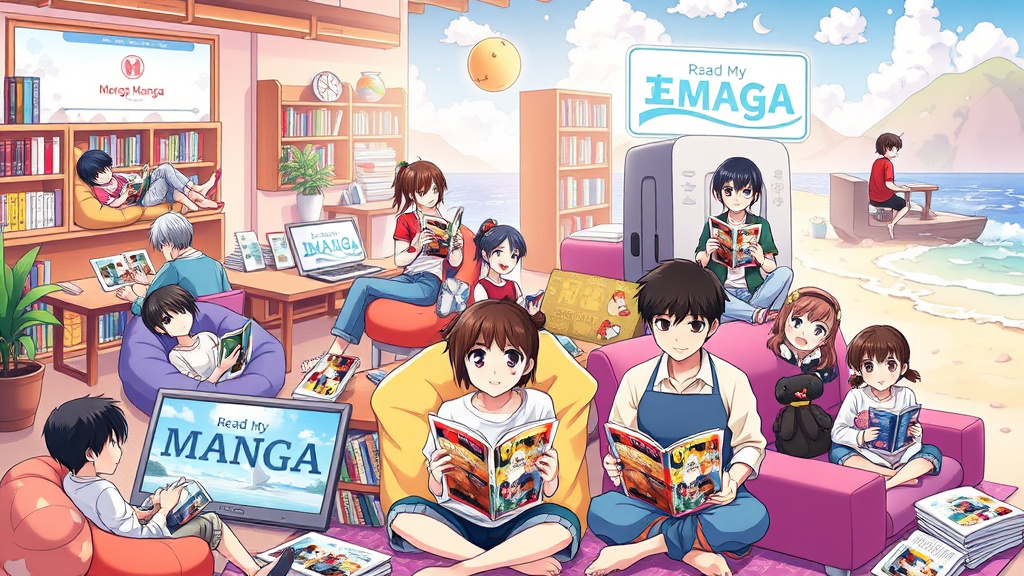 Hình minh họa: website to read manga free – manga series books
From Page to Screen: Exploring the Adaptation of Manga to Books
Manga series books are frequently adapted into other media forms, such as anime, live-action movies, and video games, highlighting their versatility and widespread appeal. Such adaptations often introduce the original stories to new audiences, expanding the manga’s reach beyond traditional readers. Fans appreciate the visual reinterpretation of their favorite series, often praising these adaptations for their faithfulness to the source material or, conversely, their inventive takes that add new layers to the narrative.
However, the transition from manga to other mediums also presents challenges. Adaptations must balance staying true to the original while making necessary modifications to suit different formats. This process can sometimes lead to debates about creative liberties, but it ultimately demonstrates the cultural importance of manga series books as adaptable and multi-dimensional storytelling platforms. Furthermore, the success of these adaptations underscores how manga stories have a powerful capacity to transcend printed pages and become influential cultural phenomena across various entertainment sectors.

Beyond the Panels: Analyzing Narrative Techniques in Manga and Related Literature
Manga series books employ distinctive narrative techniques that set them apart from traditional literature. The combination of artwork and text allows for innovative storytelling methods, such as visual cues to indicate emotion, pacing, and atmosphere. Techniques like panel layout, speed lines, and expressive character designs work in tandem with dialogue and narration to create a dynamic reading experience that engages both the eyes and the mind.
From a literary analysis perspective, manga often integrates complex storytelling strategies similar to those found in sophisticated novels. They utilize foreshadowing, symbolism, and character development to craft layered narratives that reward attentive reading. Personal analysis reveals how manga’s visual language can act as a form of storytelling in its own right, enhancing themes and emotional resonance. This symbiosis between words and images enriches the narrative, making manga series books not just reading material but immersive storytelling art forms.
Navigating the World of Manga Series: A Reader’s Guide
For newcomers venturing into the realm of manga series books, navigating the extensive options can seem overwhelming. A good starting point is understanding the variety of genres and art styles available to find stories that resonate with personal interests. Popular series like One Piece, Naruto, or Attack on Titan serve as entry points, showcasing different narrative tones and artistic approaches. Building familiarity with common manga tropes and cultural references also enriches the reading experience, allowing new readers to appreciate the nuances of storytelling.
Engaging with manga community forums, reviews, and manga cafés can further deepen understanding and enjoyment. Sharing opinions and recommendations creates a sense of community that enhances the appreciation of manga as a literary form. Over time, exploring lesser-known series and authors broadens perspectives, illustrating the vast landscape of manga series books that extend beyond mainstream titles. This active engagement transforms reading from a solitary activity into an immersive cultural experience, emphasizing the importance of curiosity and openness in discovering new favorites.
The Evolution of Manga: Tracing Its Roots and Influence on Books
Understanding the evolution of manga series books involves tracing back to their origins in ukiyo-e prints, emakimono, and traditional Japanese storytelling techniques. Modern manga emerged during the post-World War II era, influenced by Western comics and American animation, yet retained distinctive Japanese stylistic elements. Over decades, manga’s artistic and narrative conventions evolved, incorporating influences from global graphic novel movements while maintaining a unique cultural identity.
This historical trajectory highlights manga’s role not only as entertainment but also as a reflection of societal changes and cultural shifts. The influence of manga on contemporary illustrated books and graphic literature is profound, inspiring a new wave of creators worldwide. Personal insights reveal how manga’s evolution mirrors Japan’s technological advances and cultural exchanges, making it a dynamic art form that continues to innovate. Consequently, manga series books serve as both cultural artifacts and modern literary innovations, shaping the broader landscape of visual storytelling in literature.
Visual Storytelling: Comparing and Contrasting Manga and Illustrated Books
Manga series books exemplify a form of visual storytelling that differs significantly from traditional illustrated books. While both utilize visuals to complement and enhance narrative, manga employs a consistent artistic style, panel sequencing, and cinematic pacing that evoke a sense of motion and immediacy. In contrast, illustrated books often feature standalone images or full-page artworks that serve to complement the text, but lack the sequential, dynamic flow characteristic of manga.
A notable contrast lies in the depth of integration; manga’s artwork is integral to the storytelling process, often conveying subtext and emotional states without explicit dialogue. Personally, I find manga’s approach to visual storytelling to be highly effective in immersing readers, given its ability to manipulate pacing and focus attention through panel arrangement. Comparing manga with other illustrated formats underscores how visual narrative techniques shape reader engagement, making manga series books a compelling hybrid of visual art and literature that pushes the boundaries of traditional storytelling.
Cultural Impact: How Manga Series Have Shaped Global Reading Habits
The global popularity of manga series books has significantly transformed reading habits beyond Japanese borders. As manga became more accessible internationally through translations and digital platforms, it introduced diverse audiences to Japanese culture, language, and societal values. This cultural exchange facilitated the development of a global manga fandom, fostering cross-cultural dialogue and appreciation for storytelling differences.
Furthermore, manga’s influence extends into mainstream media, inspiring fashion, art, and even academic studies, shaping modern cultural narratives. From a personal perspective, the rise of manga also encouraged a broader acceptance of comics and graphic novels in literary circles, challenging preconceived notions about genre boundaries. Its global reach and cultural significance exemplify how manga series books contribute to a more interconnected and diverse literary consumption landscape, promoting multicultural understanding and expanding traditional notions of reading and storytelling.
The Business of Manga: Publishing, Distribution, and the Book Market
The business side of manga series books reveals a complex ecosystem involving publishers, distributors, and marketing strategies. Japanese publishers like Shueisha and Kodansha have built extensive networks that produce, promote, and distribute manga domestically and internationally. Digital platforms have revolutionized distribution, making manga more accessible to global audiences through online serialization, e-books, and apps, often accompanied by fan translation communities that contribute to its spread.
Analyzing this ecosystem shows that successful manga publication relies heavily on understanding consumer preferences, regional licensing, and revenue models. The growing demand for manga has also fostered a thriving global market, with anime adaptations and merchandise boosting revenues. Personal insights indicate that the manga industry’s adaptability to digital trends and its deft marketing strategies are fundamental to its resilience and growth in a competitive entertainment landscape, elevating manga series books from niche publications to mainstream cultural commodities.
Genre Diversification: A Look at the Variety Within Manga Series and Books
One of manga’s greatest strengths is its unparalleled genre diversification, spanning genres such as shonen, shoujo, seinen, josei, horror, romance, science fiction, and historical fiction. This broad spectrum ensures that manga series books appeal to an equally broad demographic, each with distinct storytelling conventions and artistic styles tailored to different audiences. For example, shonen manga often emphasize action and adventure with dynamic artwork, while josei focuses on more mature themes related to daily life and relationships.
Personal reflection suggests that this genre diversification encourages readers to explore different facets of human experience through a visual and narrative lens. It also fuels the creative vitality of manga as a medium, constantly evolving to meet diverse cultural tastes and societal trends. Such variety highlights manga’s role as a versatile storytelling platform capable of addressing complex themes and representing myriad perspectives, reinforcing its position as a significant literary and artistic form in the global book market.
Manga for All Ages: Examining the Readership and Book Preferences
Contrary to the stereotype of manga being only for teenagers or anime fans, manga series books have a broad age demographic that spans children, young adults, and seniors. Age-appropriate manga like educational series for children, romantic tales for young adults, and sophisticated narratives for adults demonstrate manga’s ability to cater to diverse interests and developmental stages. This inclusivity is reflective of the medium’s flexibility and widespread cultural acceptance.
From a personal perspective, I have observed how manga’s multifaceted nature fosters lifelong readership—parents reading manga alongside their children, older readers appreciating nuanced stories, and casual fans enjoying lightweight entertainment. This widespread appeal encourages media literacy and literacy development, especially among younger audiences. Overall, manga’s ability to resonate across age groups underscores its importance not just as entertainment but as a culturally enriching literary form that adapts to the evolving needs of its readership.
## Conclusion
Manga series books have established themselves as a profound and influential genre that combines art and storytelling in innovative ways, reflecting societal trends, cultural identities, and technological advancements. Their enduring appeal stems from their remarkable diversity in genres, sophisticated narrative techniques, and ability to transcend traditional reading boundaries. As they continue to evolve through adaptations, global influence, and market expansion, manga series books remain a vital part of modern literature and popular culture, inspiring generations of readers and creators worldwide. Their unique blend of visual artistry and compelling stories ensures that manga will remain a dynamic and beloved medium for years to come.